MetLife May Be Unpopular But New Jersey Deserves The World Cup Final
A key state in the history of American soccer is an appropriate host for the world's biggest game.

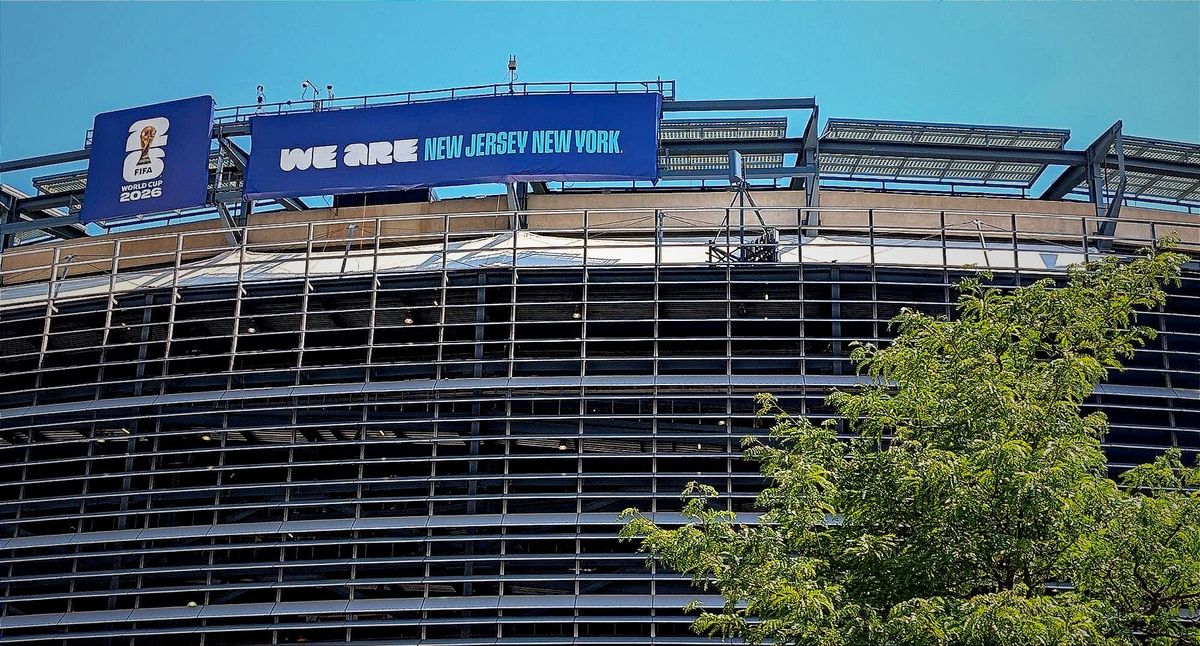
The decision to host the 2026 World Cup final at the New York New Jersey Stadium, more familiarly known in the United States as MetLife Stadium, has been widely criticized, but there are several reasons this venue makes sense, one of which is rarely considered.
Though it sits just across the Hudson River from the state of New York, the New York New Jersey Stadium resides in New Jersey alone. None of it is in New York.
Without going into the historic, involved dynamics of the New York / New Jersey sports scene (I did so to some extent in the June 2026 issue of World Soccer magazine) and regardless of the significant role the adjacent city of New York played in the decision to host the final here, it is a fact that the final match of the 2026 World Cup will be held in New Jersey.
The rarely considered aspect of what makes this such a suitable location is that, when it comes to soccer heritage and history, there are few places in the United States so apposite that are also well-equipped to host world soccer’s marquee game.
Much of the history of American soccer can be told through New Jersey and the various organisations and teams it has been home to for almost 150 years. Its location as a neighbour to New York and Pennsylvania, and by extension Rhode Island, Connecticut, Maryland, and Massachusetts, is important to this history, just as its neighbouring state has been important in the decision to host the 2026 World Cup final there.
Though the game in the United States developed in pockets of those different states, with other notable hotbeds developing further west in Chicago and St. Louis, New Jersey could be considered the state that connected it all; a conductor of and for American soccer.
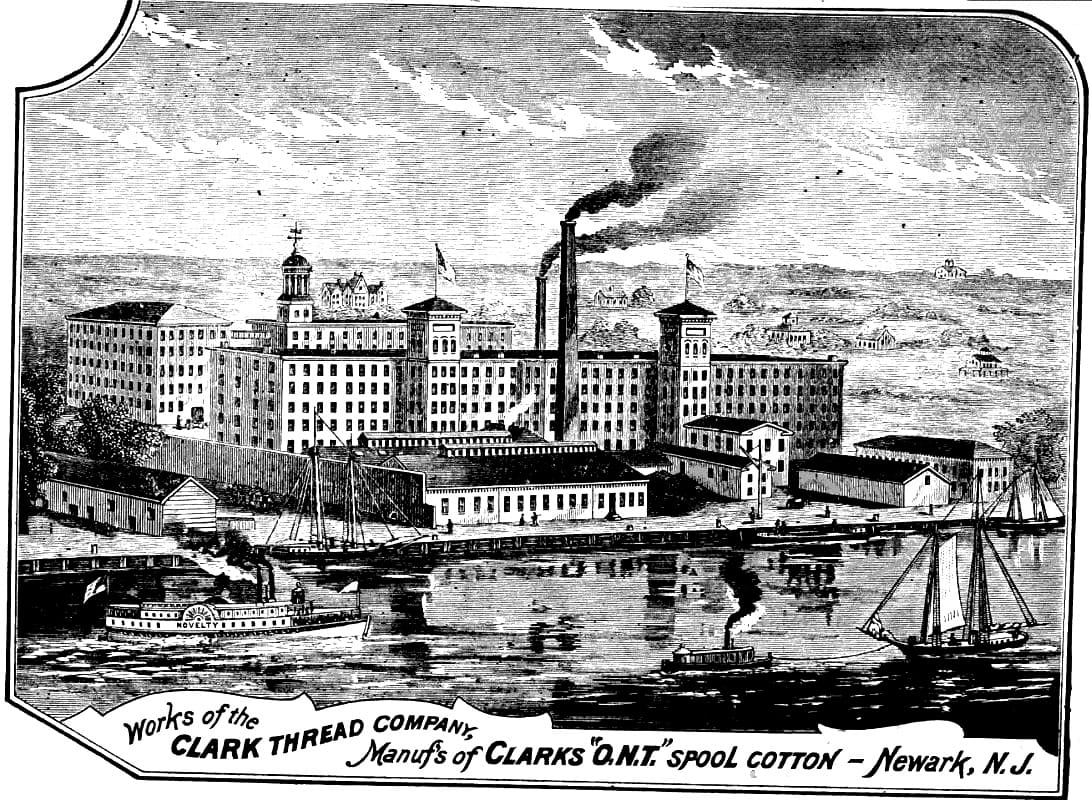
The inaugural meeting of the first-ever American Football Association [1] took place in East Newark, then part of Kearny, on May 24, 1884, at the Clark Thread Company.
The first three editions of the AFA Challenge Cup (American Cup) were won by the works team of the company, Clark Our New Thread, who played at Clark Field in East Newark on the area off Passaic Ave now covered by Tops Diner and its parking lot.
Seven of the thirteen teams that formed the AFA were from the Newark/Kearny area of New Jersey: Newark Almas, Tiffany Rovers, The Domestics, Thistles, Riversides, Kearny Rangers and Clark ONT, plus another New Jersey club, Paterson FC.
The area can also boast the first international match outside of the British Isles, which was played on November 28, 1885, between the United States and Canada at Clark Field. It is not officially recognised as such in some quarters due to the regional nature of the AFA at this time, but it still demonstrates New Jersey’s central place in the early history of American soccer, not least because that US team was made up of players from those AFA teams in the Kearny - Newark - Harrison area.
The American Cup was eventually superseded by the National Challenge Cup, now known as the US Open Cup, founded in 1913, and still running today. Though the early Open Cup was dominated by familiar names from Bethlehem, Fall River, and others from New York and St. Louis, New Jersey still boasted a big presence in the tournament.
Paterson FC won the Challenge Cup in 1923 against the St. Louis side Scullin Steel. After a 2-2 draw at the Federal Baseball Park (Harrison Park) just over the road from where the Sports Illustrated Arena (Red Bull Arena) now sits, Scullin Steel couldn’t play the replay as their players were involved in the baseball season, so the title went to Paterson.
New Jersey’s other Open Cup winner is Elizabeth SC, who won the title twice in the 1970s. They defeated Los Angeles Croatia in 1970 at Randall’s Island, NYC, and San Pedro Yugoslavs at Farcher's Grove, Union, NJ, in 1972. That 1970 cup win also saw Elizabeth become the first team from New Jersey to compete in the Concacaf Champions Cup, drawing 0-0 with Cruz Azul at Farcher’s Grove, before forfeiting the away leg 2-0 due to players’ work commitments preventing travel to Mexico City.
As it does in most countries around the world, the history of association football as a codified sport in the United States dates back to the late 19th century, when codification took place through a combination of local intuition, immigrant customs, and a set of standardised laws imported from Great Britain.
Tales of the early history of association football in America regularly feature the names of teams from Pawtucket, Rhode Island; Fall River, Massachusetts; and Bethlehem, Pennsylvania.
The prominent team names from those cities, Bethlehem Steel, Pawtucket Free Wanderers, and Fall River Rovers, are common in the first written accounts of this sport in the United States, but alongside them is invariably an opponent or fellow league member from New Jersey. The big soccer corridor through the northeastern United States had New Jersey at its center.
With its series of industrial towns alongside the several rivers that flow within it, soccer in New Jersey and in those nearby states followed a similar path to the origins of the game in the industrial towns of England and the other countries to which it was exported.
Two domains that are prevalent in the foundations of the sport and its codification through the laws of the game are educational institutions and works teams. Again, the development of soccer in the United States was no different.
Major roles were played by its colleges, which were central to the formation and separation of the various codes of football, including most notably soccer and gridiron, and by works and community teams who initially took it up as a pastime but naturally wanted to test themselves against other teams as their proficiency at the new sport improved.
This is shown in the early presence and success of teams in those towns, and the presence of teams named after their company or founders such as East Newark Clark, Babcock & Wilcox, and the aforementioned Clark ONT, Domestics (Domestic Sewing Company), and Tiffany Rovers (Tiffany & Company).
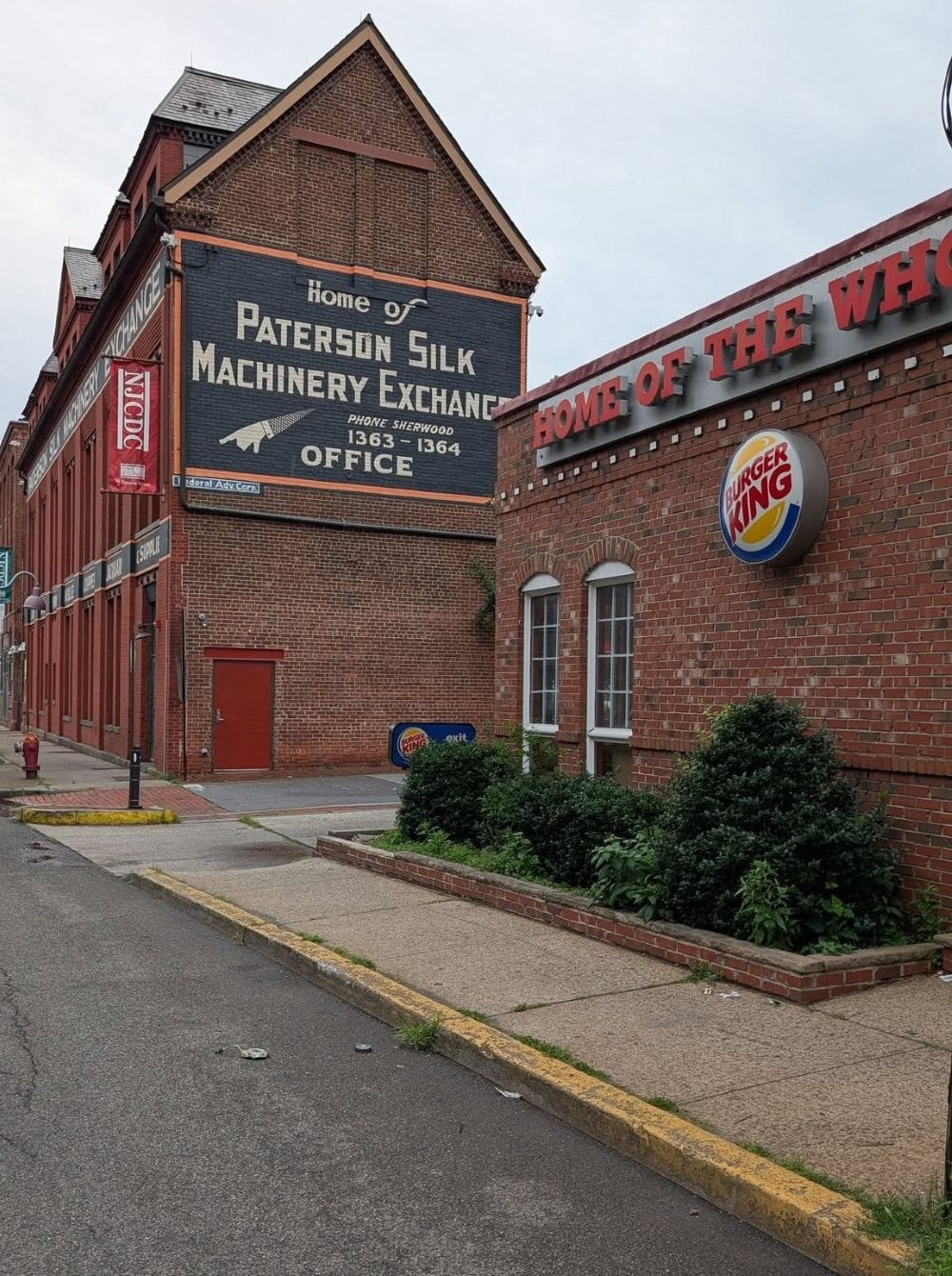
Those places and teams in New Jersey, Rhode Island, Massachusetts, and Pennsylvania were not the largest cities in the region, sitting as they did next to wider sprawls such as Providence, New York City, Brooklyn, and Philadelphia, but they were early industrial hubs, which meant they had connections with the wider world, and as a result, with the global game.
Had the game in the US developed similarly as it did elsewhere, with local teams retaining their original roots and names, the biggest American clubs today could have been Paterson True Blues, Clark ONT, Kearny Scots (or the Scottish Americans), Bethlehem Steel, Pawtucket Free Wanderers, and Fall River Rovers.
Those team names might look like unusual, unlikely names for would-be high-profile teams, but they are no more unusual than other now-familiar but heavily localised or historic soccer team names from around the globe such as Boca Juniors, Celtic, Everton, Flamengo, Arsenal, Peñarol, Cruz Azul, Benfica, Aston Villa, Philips Sport Vereniging (PSV) and many more. There is no big soccer team called London, Rio de Janeiro, or Buenos Aires – three of the biggest soccer cities in the world.
The AFA Challenge Cup may now simply be known as the AFA Cup, similar to the FA Cup (England), DFB Pokal (Germany), or the Copa do Brasil, and New Jersey would be considered alongside the likes of Buenos Aires and London as one of the centers of the soccer world.
Despite early pockets of popularity, soccer struggled to catch on in the USA in the way it did pretty much everywhere else in the world. American sports developed in tandem with American capitalism, with a lack of uniform organization and American [sports] exceptionalism also playing a part.
Local names were not as desirable to franchise-oriented sports markets, and many teams that play in smaller towns, such as LA Galaxy (Carson, CA), New York Red Bulls (Harrison, NJ), and Philadelphia Union (Chester, PA), bear the name given to their metropolis.
The closest the USA has to these sports clubs might be its college teams, and maybe the rare example of a hyperlocal team in the big leagues, the Green Bay Packers, but there are still hundreds of amateur and semi-pro soccer teams in the United States that date back to those early years of adoption of the association code and its initial growth spurt.
Many of the oldest exist in New Jersey, such as Hoboken FC 1912 and the continuation of the Kearny Scots (1895), and they, plus numerous other teams, still play in local leagues such as the Cosmopolitan Soccer League and the Garden State Soccer League, which provide paths to the American Premier Soccer League via promotion and relegation, and to the US Open Cup via regional qualification.
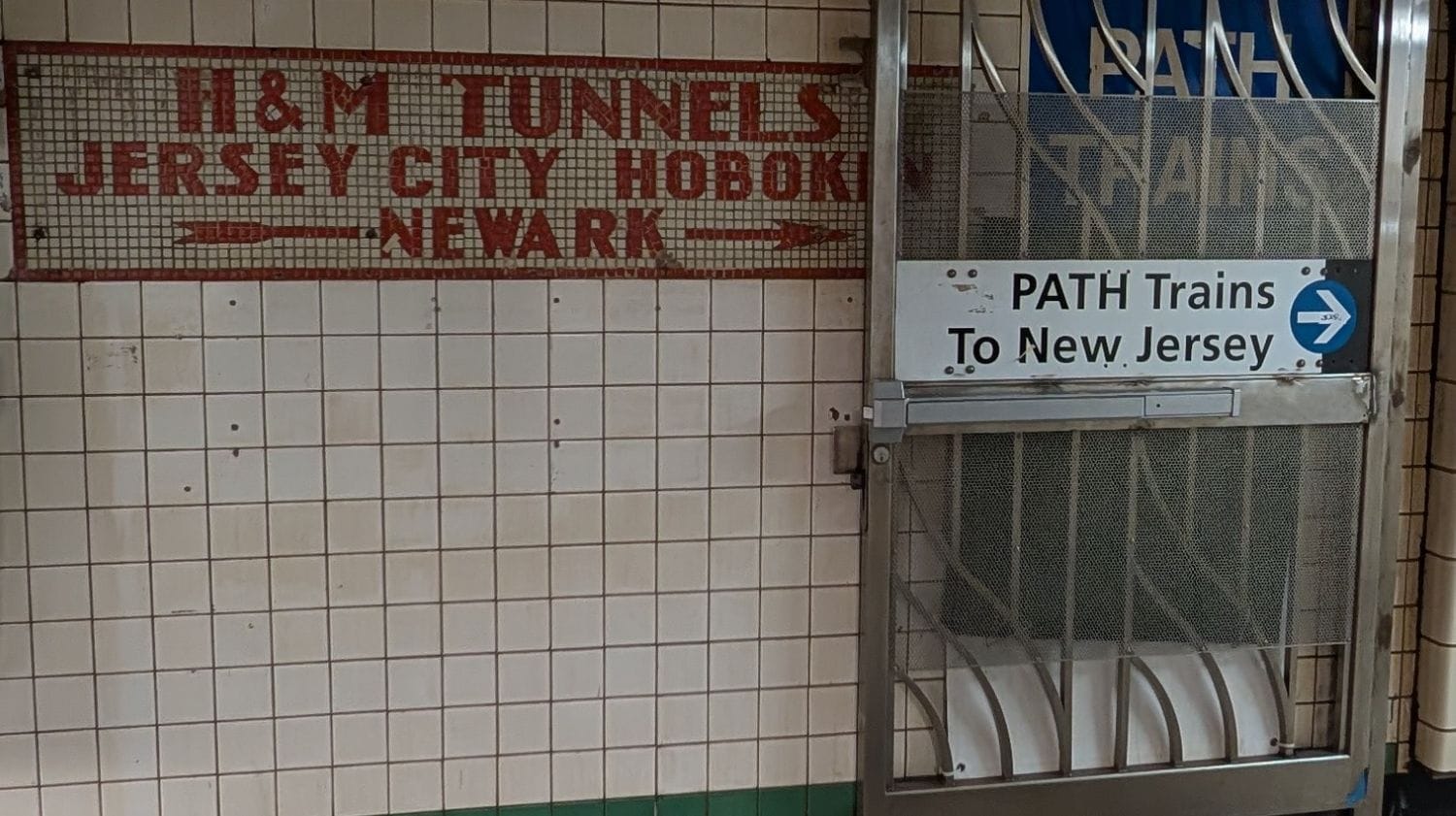
While New Jersey may not immediately spring to mind as a region synonymous with soccer, it has played a crucial role in the history of the game in the United States and continues to do so. Four of the training camps used for the World Cup were in New Jersey (none were in New York): Columbia Park Training Facility, Stockton University, The Pingry School, and Rutgers University.
It is represented in top-flight men's American soccer by Red Bull New York, who play in Harrison, right beside all of that American soccer history that ran along the Passaic River, and by the revived New York Cosmos who currently play in Paterson.
There might be more impressive-looking, more modern, and maybe even more practical venues for the 2026 World Cup final in the United States than the Meadowlands marshlands on which MetLife sits, but the state of New Jersey is not undeserving of the world game’s marquee occasion.
While New York City connects America with the world for this tournament and its final, New Jersey has always played one of the biggest roles in connecting American soccer.
1. Bunk, Brian D. (2025) Beyond The Field, How Soccer Built Community in the United States. University of Illinois Press